


Sharing on social networks


. Microsilica
Microsilica (Silica Fume)
Overview
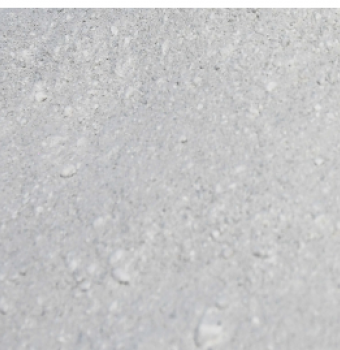
Microsilica, also known as Silica Fume, is an ultrafine powder generated as a by-product during the production of ferrosilicon and certain other silicon-based ferroalloys in submerged arc furnaces (SAF). Consisting predominantly of amorphous silicon dioxide (SiO₂), microsilica is characterized by its exceptionally fine particle size—approximately 100 times smaller than that of cement particles—and its high chemical purity.
These unique physical and chemical properties make microsilica one of the most valuable supplementary materials used in modern construction and refractory applications.
Applications
High-Performance Concrete (HPC)
Microsilica is widely recognized as a premium supplementary cementitious material (SCM) for the production of high-performance and ultra-high-performance concrete.
Increased Compressive Strength
The ultrafine particles of microsilica fill the microscopic voids between cement grains, producing a denser and more compact concrete matrix. In addition, its pozzolanic reaction with calcium hydroxide forms additional calcium silicate hydrate (C-S-H) gel, significantly enhancing compressive strength—often achieving values substantially higher than those of conventional concrete.
Reduced Permeability
The dense microstructure created by microsilica dramatically reduces the permeability of concrete to water, chloride ions, and aggressive chemicals. As a result, reinforced concrete structures exhibit superior durability and extended service life, particularly in harsh environments such as bridges, marine structures, offshore platforms, tunnels, and industrial facilities.
Improved Durability
Microsilica enhances concrete resistance to chemical attack, abrasion, freeze-thaw cycles, and corrosion of embedded reinforcement, making it an ideal material for demanding infrastructure projects.
Refractory Industry
Due to its high silica content, excellent thermal stability, and fine particle size, microsilica is extensively used in the manufacture of advanced refractory products. It improves the density, mechanical strength, and thermal performance of refractory castables, furnace linings, and high-temperature industrial equipment.
Other Applications
Microsilica is also utilized in the production of specialty ceramics, polymers, construction chemicals, sealants, coatings, and other advanced industrial materials where enhanced mechanical performance and durability are required.